
GridLink Interconnection Library
A curated set of public interconnection PDFs from municipal utilities in the Southwest and Midwest. We use it to verify meter swap language and inspection prerequisites before publishing outage-day guides.
Reference material for the electrical side of home solar
VoltPath exists because homeowners hear plenty about panels on the roof and very little about what happens at the inverter, inside the panel board, and at the meter socket. We document those steps in plain language so you can prepare better questions for a licensed electrician.
VoltPath began after a small editorial team kept answering the same homeowner questions: where does the inverter go, how does cable get from the attic to the garage, and who pulls the meter. Those questions rarely showed up in glossy installer brochures. They showed up in utility interconnection packets, inspection checklists, and late-night forum threads with conflicting advice.
We chose home solar electrical work as a focus because it sits at a clear boundary. Roof crews handle modules. Electricians handle conductors, breakers, grounding, and grid coordination. Homeowners often get stuck in the gap between those trades without a map of what happens indoors.
Early reader surveys confirmed the pattern. People wanted sequence, not sales language. They asked whether a garage wall could support an inverter, whether their 200-amp panel had room for a backfed breaker, and how long power would be off on disconnect day. VoltPath was built to answer those nodes one at a time.
We are not electricians and not installers. We compile observations from published code summaries, utility interconnection guides, and structured interviews with licensed professionals. Every article names what a homeowner can observe and what must stay in an electrician's scope.
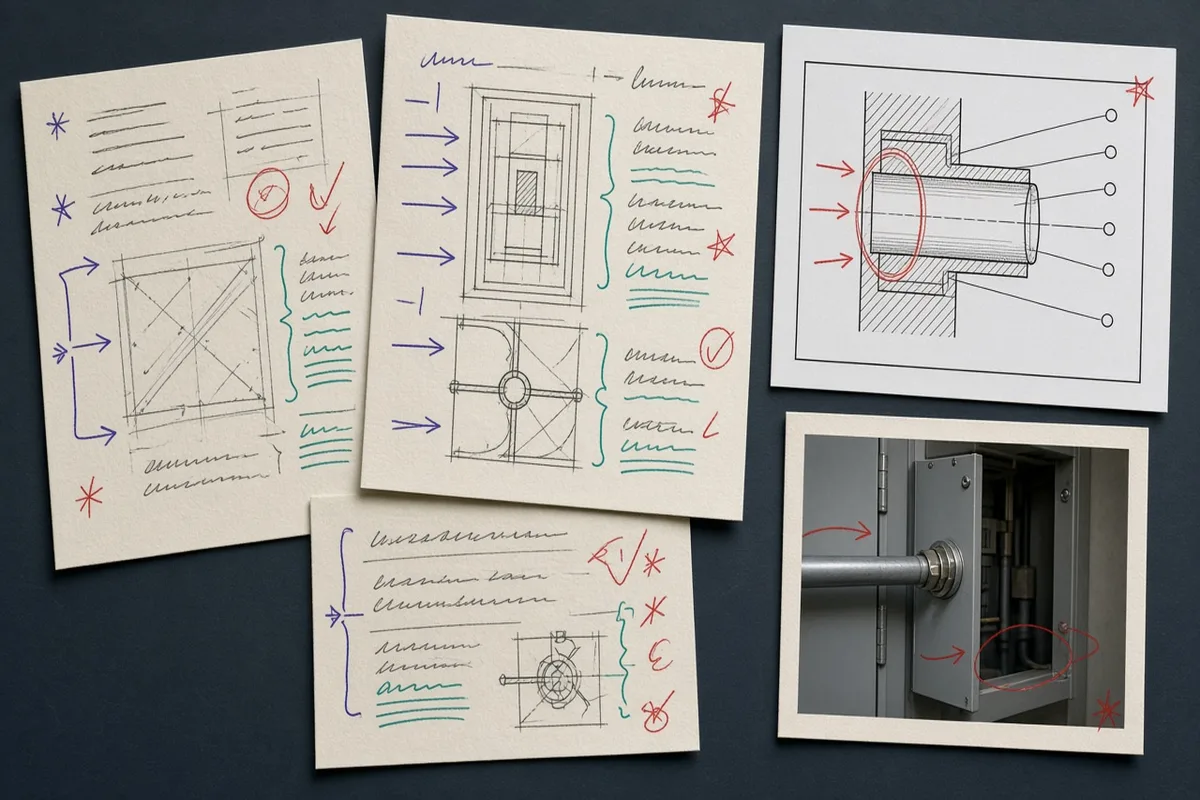
Every VoltPath article starts from a single homeowner question tied to a physical location: inverter wall, attic chase, main panel, meter socket. Writers draft a step sequence, then cross-check it against two independent sources—typically a utility interconnection document and a state or municipal electrical bulletin when one is publicly available.
We remove brand names, model numbers, and commercial terms from drafts. Comparisons between inverter or panel manufacturers do not belong here. If a detail varies by jurisdiction, we say so explicitly and point readers toward their utility or AHJ rather than guessing.
Before publication, an editor reads for safety boundaries. Instructions that sound like DIY panel work get rewritten or cut. We also verify that contact forms, legal pages, and article claims align: VoltPath offers reference material and informational replies, not on-site labor or equipment sales.
When you write to us, we sort your note by which part of the electrical path it touches.
We ask which rooms sit between the roof penetration and the main panel, whether the garage or utility space has ventilation, and if the proposed wall is shared with living space. Our reply lists typical routing options and inspection points without specifying wire sizes or breaker ratings for your home.
Photos of the open panel door help, but we never interpret bus bar load from an image alone. We explain what electricians look for—open breaker spaces, existing backfed arrangements, disconnect labeling—and suggest questions to ask during a site visit.
Utility schedules drive this stage. We outline the usual order: electrical inspection, interconnection approval, meter appointment, energizing. If your message mentions medical equipment or home business uptime, we highlight backup planning for the disconnect window.
Questions that arrive often become published guides. That keeps VoltPath aligned with real homeowner confusion instead of abstract industry talking points.
A homeowner can learn what to ask. Only a licensed electrician can tell you what your panel can accept on your street, on your meter, on that afternoon. — VoltPath editorial principle
Fictional organizations below illustrate the types of sources we cite; they are not endorsements or paid placements.
A curated set of public interconnection PDFs from municipal utilities in the Southwest and Midwest. We use it to verify meter swap language and inspection prerequisites before publishing outage-day guides.
An invite-only forum where licensed electricians discuss residential solar tie-in methods. VoltPath contributors read anonymized thread summaries to catch regional differences in panel board practices.
Community workshops that walk homeowners through permit folders without touching equipment. We align our pre-inspection checklists with their handouts on labeling and access clearance.
Volunteers translate AHJ and utility terms into short definitions. VoltPath links glossary entries when articles introduce rapid shutdown, production meter, or line-side tap concepts.
Send us a note with your inverter wall ideas, panel photo, or utility paperwork status. We reply with reference links and clear reminders about licensed scope.
Contact UsFour in-depth articles cover inverter placement, roof cable routing, meter replacement timing, and planned grid disconnect days.
View All ArticlesVoltPath publishes reference material about residential solar electrical connections. Contact form messages receive informational replies with guides and checklists—not on-site work or professional electrical advice. Always confirm details with a licensed electrician, utility engineer, or local building official.
VoltPath is not a solar installation company. We do not mount panels, schedule roof work, or perform electrical connections. We do not sell solar panels, inverters, batteries, or related hardware, and we do not compare equipment brands or models.
Utility interconnection rules, net metering policies, and program eligibility vary by location and change over time. Confirm current requirements with your state energy office and local utility provider before making project decisions.
Grid interconnection, work inside the electrical panel board, and structural assessment of roof loading capacity require licensed specialists. Any decisions you make based on our guides—including equipment sizing and contractor selection—are your responsibility.
Every home has a different wiring layout. Copying another homeowner's conduit route or breaker configuration without a site-specific evaluation can create safety hazards and code violations.