VoltPath Solar Electrical Guides

Home Solar Electrical Guides

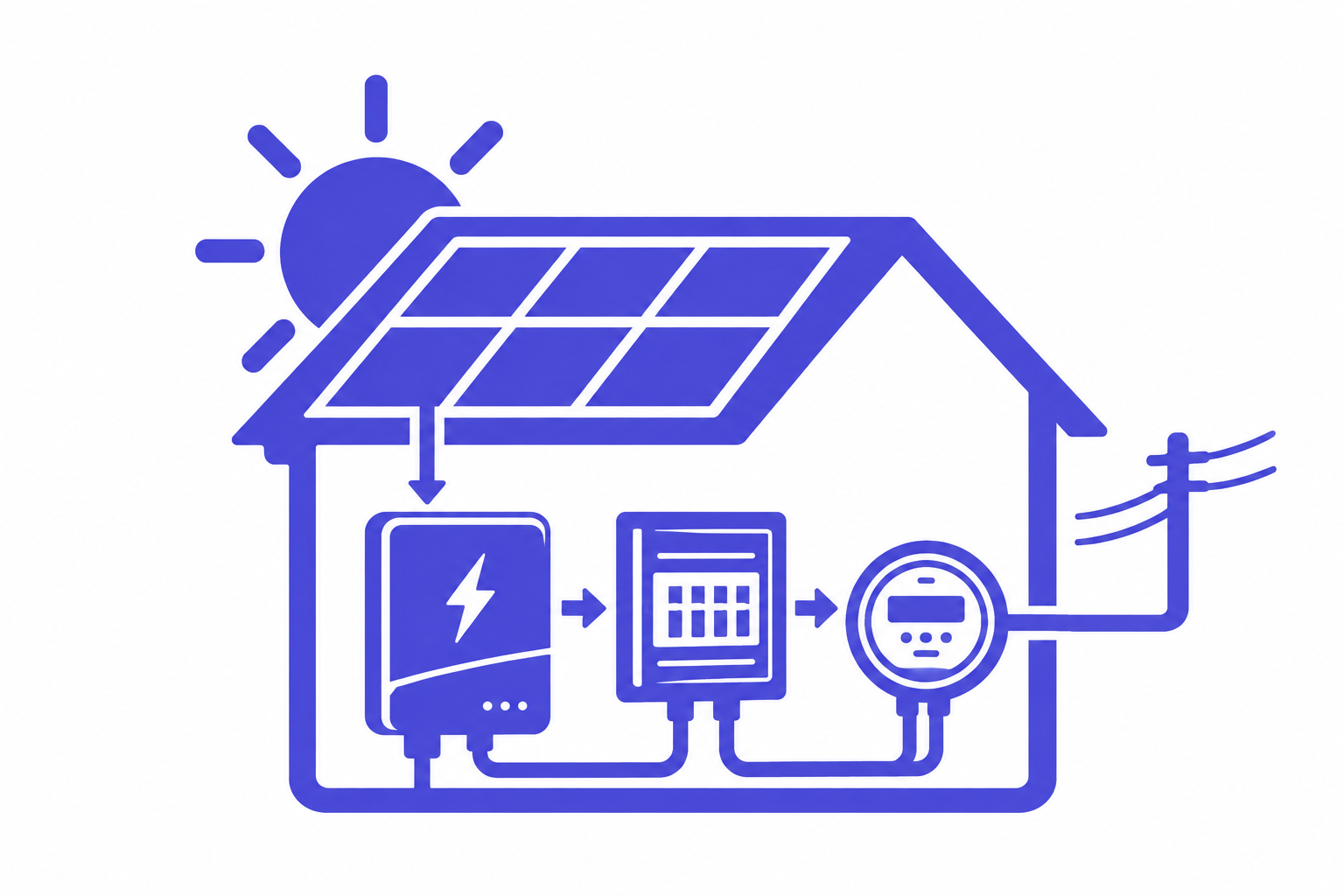
VoltPath Inverter, Panel Board, and Meter: The Electrical Side of Panel Installation

Clear guides for homeowners planning a solar electrical hookup

We walk through where the inverter goes, how cable runs from the roof reach the panel board, what changes inside the electrical panel, and when the utility meter gets replaced. Every step assumes a licensed electrician handles live wiring.

Routing & Placement

Inverter Placement and Interior Cable Routes

Two decisions shape most residential solar electrical layouts: where the inverter sits and how conductors travel from the roof assembly to that location.

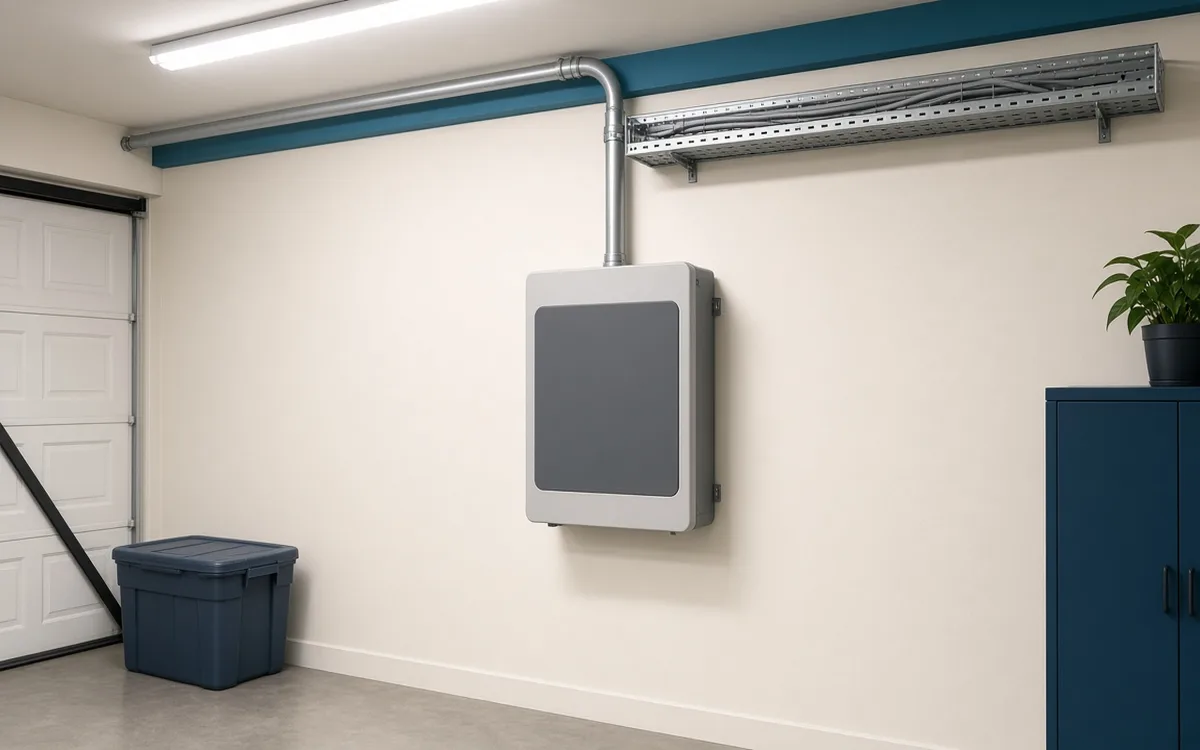
Garage and Utility Walls

Garages offer shade, ventilation, and short conduit runs to the main panel. Utility closets work when wall space is limited, though heat buildup and access for future service calls need consideration before mounting hardware.

Attic-to-Inverter Conduit Runs

Roof penetrations often feed into the attic first. From there, rigid or flexible conduit drops along interior walls. The route must stay accessible for inspection and leave enough slack for thermal expansion without rubbing against framing.

Basement and Exterior Paths

When the panel board sits in a basement, conductors may follow an exterior wall before entering at grade. Each transition through siding or foundation requires sealed penetrations rated for the local climate and code requirements.

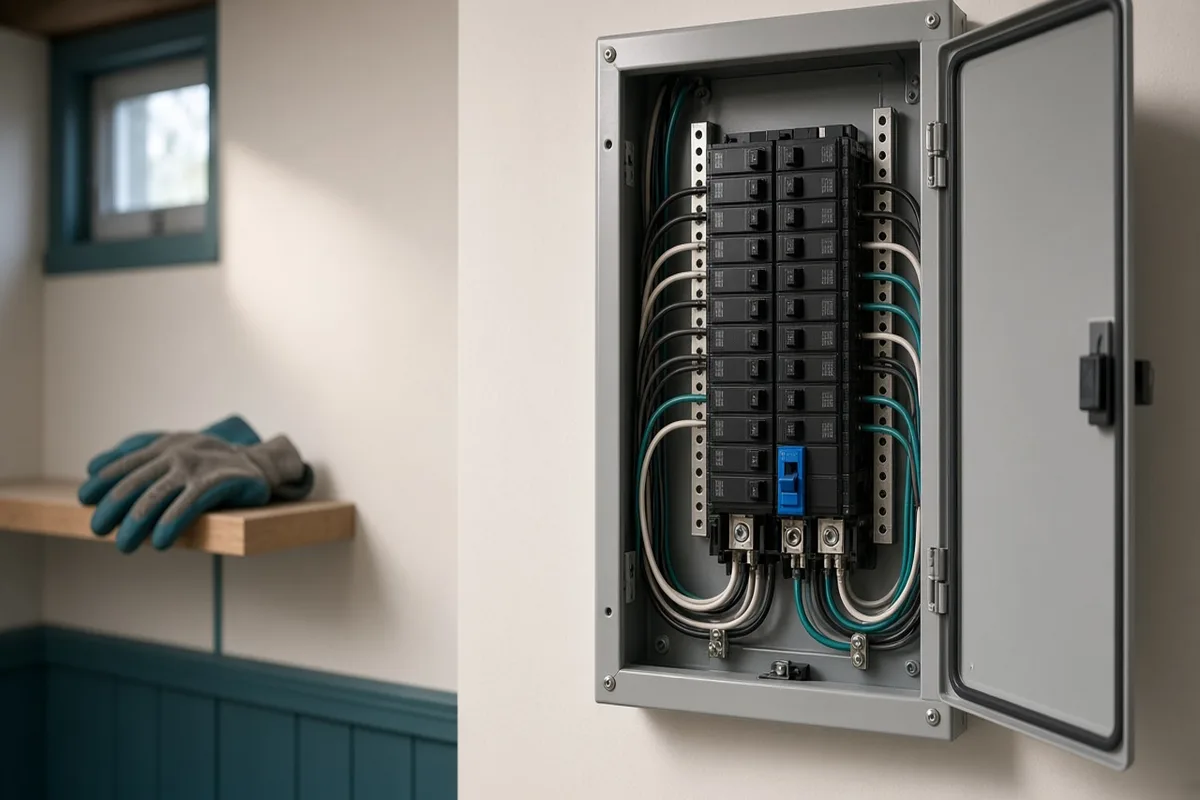
Open electrical panel with a dedicated solar breaker and tidy basement wiring
Panel Integration

Panel Board Updates for Solar Integration

The main electrical panel is where solar output meets household loads and the utility grid. A licensed electrician evaluates bus bar capacity, available breaker spaces, and whether the existing enclosure can accept new overcurrent protection devices.

Common changes include adding a dedicated solar breaker, installing a production meter socket, or upgrading to a larger panel when spaces run out. Some homes need a subpanel near the inverter to keep conductor lengths within code limits.

  • Backfed breaker or line-side tap depending on utility rules
  • Labeling for rapid shutdown and disconnect locations
  • Grounding electrode conductor verification before energizing
Utility Coordination

Meter Changes and Planned Grid Outages

Utility coordination affects scheduling more than most homeowners expect. Meter work and grid disconnects happen on the utility timeline, not the installer's.

When the Meter Gets Swapped

Bidirectional metering typically arrives after the electrical inspection passes and the utility receives interconnection paperwork. Some utilities install a new socket; others reprogram the existing unit. Either way, the swap requires an appointment and a brief power interruption.

Why a Full-Day Outage Happens

Grid disconnect days give the electrician a de-energized window to pull the meter, tie in new conductors, and verify isolation before re-energizing. Refrigerators, medical devices, and home office equipment need backup plans for that window.

By the Numbers

Reference Material Reach

Numbers reflect topics documented across our guides and reader feedback collected through contact inquiries.

0 Published electrical guides Each focused on one connection step
0 Electrical connection topics covered From inverter mount to first-hour checks
0 Pre-energizing inspection points Documented in our commissioning guides
0 Typical inverter placement zones Garage, utility room, and exterior-rated walls
From the Blog

Latest Articles

Recent guides from our editorial team on residential solar electrical topics.

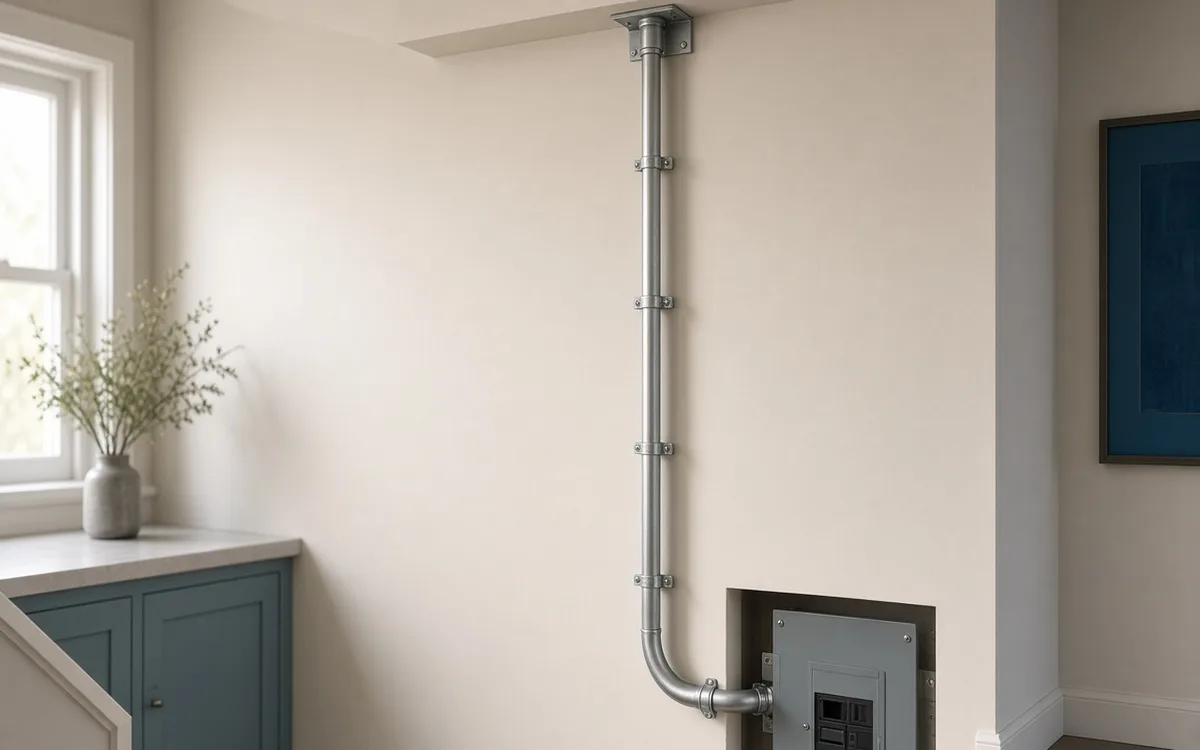
Interior conduit run from an attic access down a wall toward the panel
3 min read

How Roof Cable Runs Reach the Electrical Panel

By Elena Whitfield

The path from roof penetration to panel board rarely follows a straight line. Attic framing, fire blocking, and existing plumbing stacks force route changes that homeowners only discover once walls open up.

Read Article
Reader Notes

Reader Experiences

Homeowners who used our guides while planning their solar electrical work.

I had no idea the inverter could not sit in our attic because of heat limits. Your guide on placement zones helped me ask the right questions before the electrician marked wall studs. We ended up with a garage mount that fit our layout well.

Daniel Kramer

Software Engineer, Portland, OR

The article on panel board changes helped us understand our options early. Our 200-amp panel had only one open slot, and the guide explained why a subpanel near the inverter was worth discussing. The electrician confirmed the approach matched local code.

Sandra Reyes

Registered Nurse, San Antonio, TX

We planned around the grid disconnect day using your outage checklist. Knowing the meter swap would happen separately from the roof work let us schedule childcare and move sensitive lab equipment. Power was off for about six hours, close to what the article outlined.

James Morales

High School Teacher, Raleigh, NC

Have a Question About Your Solar Electrical Plan?

Send us a message with your panel board layout, inverter location ideas, or utility interconnection status. We respond with reference material and point you toward licensed professionals when on-site work is needed.

Contact Us

Our Mission

VoltPath provides knowledge about residential solar electrical connections. We document how inverter placement, conduit routing, panel board updates, and meter changes fit together so homeowners can plan informed conversations with licensed electricians.

Learn More

Important Information

VoltPath publishes reference material about residential solar electrical connections. Contact form messages receive informational replies with guides and checklists—not on-site work or professional electrical advice. Always confirm details with a licensed electrician, utility engineer, or local building official.

VoltPath is not a solar installation company. We do not mount panels, schedule roof work, or perform electrical connections. We do not sell solar panels, inverters, batteries, or related hardware, and we do not compare equipment brands or models.

Utility interconnection rules, net metering policies, and program eligibility vary by location and change over time. Confirm current requirements with your state energy office and local utility provider before making project decisions.

Grid interconnection, work inside the electrical panel board, and structural assessment of roof loading capacity require licensed specialists. Any decisions you make based on our guides—including equipment sizing and contractor selection—are your responsibility.

Every home has a different wiring layout. Copying another homeowner's conduit route or breaker configuration without a site-specific evaluation can create safety hazards and code violations.