What to Expect on a Planned Grid Disconnect Day
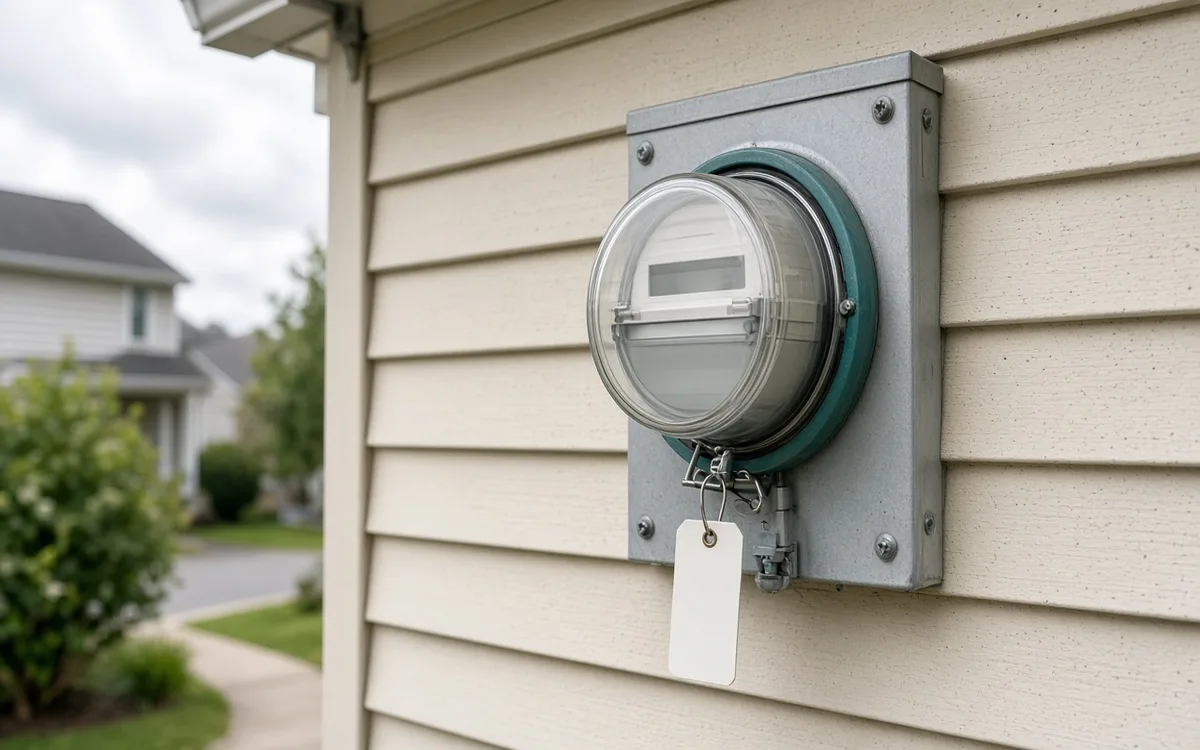
Disconnect day in a Minneapolis suburb started with a text that power would return by noon. The meter came out in twenty minutes, but tying new conductors into the main lugs, torquing each terminal, and running a verification test kept the house dark until past four—long enough for a basement freezer to climb above safe temperature if nobody had moved food to a neighbor's outlet.
What Disconnect Day Actually Is
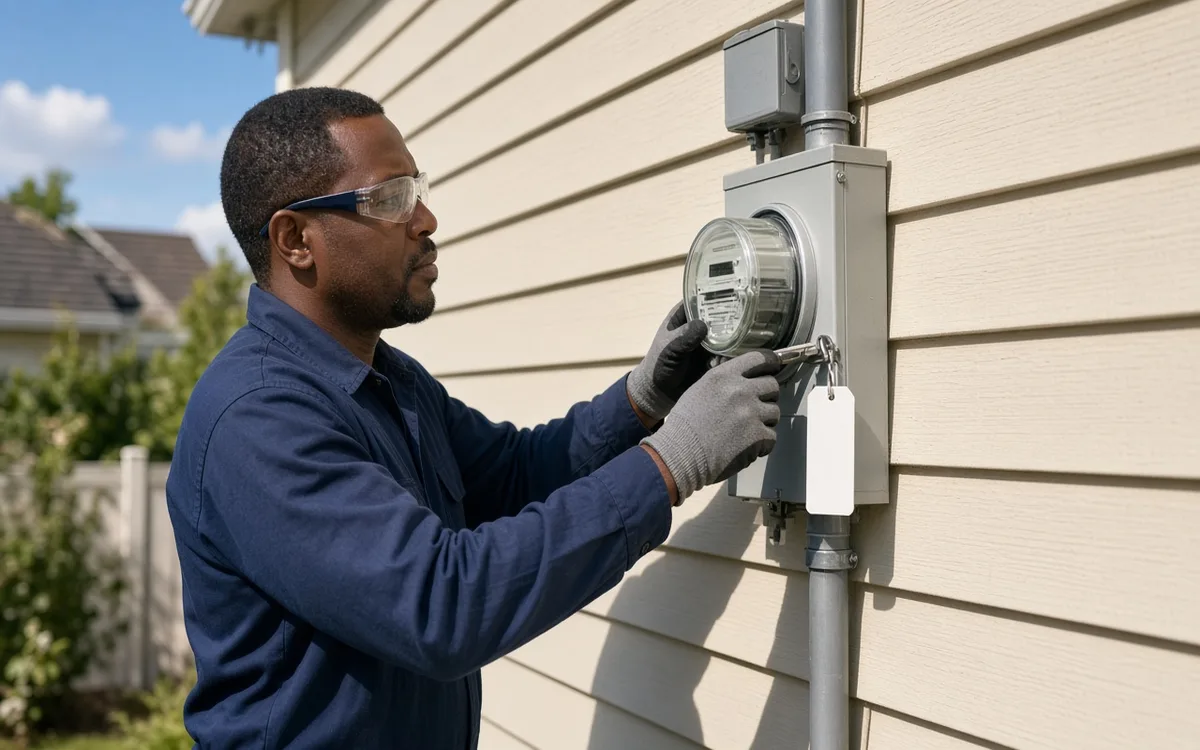
Grid disconnect day is the window when utility voltage is removed so licensed crews can work on service conductors, the main panel, or the solar backfeed breaker without live grid power present. It is not the same as a utility meter swap for net metering—that often happens later. Disconnect day is about making the electrical work safe to perform.
Homeowners sometimes assume the outage equals the time needed to pull a meter ring. In practice, the ring removal is the shortest step. Hours pass while electricians land new cables, tighten lugs to spec, replace cover plates, and wait for inspection photos if an AHJ requires mid-job documentation.
Who Shows Up and in What Order
Crew composition varies by contract structure. Some installers coordinate the utility disconnect themselves; others require the homeowner to schedule a utility truck separately. Knowing which party owns the calendar prevents two teams from standing on the driveway waiting for the other to de-energize the service.
- utility field tech or authorized agent to pull the meter or open the service disconnect;
- licensed electrician to perform panel work and solar tie-in while dead;
- optional third-party inspector if your jurisdiction requires a rough-in visit before re-energization;
- homeowner or property manager with keys to attic hatches, garages, and locked utility rooms.
If any participant arrives late, the outage stretches even though the actual electrical tasks stay the same. Morning slots help in summer heat because attic work finishes before peak afternoon temperatures.
The outage window your installer estimates rarely includes waiting for the utility truck, retorquing a lug that failed a spot check, or the moment someone realizes the garage subpanel still feeds a live leg through an old generator interlock.
Inside the House During the Outage
Whole-home disconnect means more than lights off. Modems drop, garage door openers lose wall-button power, and tankless water heaters may error out until rebooted. Battery-backed sump pumps switch to internal cells—know the runtime. Medical devices on UPS units need a charge check the night before.
Loads worth planning for
Refrigerators and freezers tolerate a few hours if doors stay closed, but multiple openings while crews move through the kitchen shorten that margin. Home offices with desktop towers benefit from a saved-shutdown rather than abrupt loss mid-upload. Electric gates and alarm panels may need manual override instructions from the vendor beforehand.
Typical Sequence From Dark to Restored
Exact order shifts by site, but most jobs follow a recognizable rhythm once the service is dead. Understanding the rhythm helps you decide when to ask status questions without standing over the panel board.
- verify absence of voltage at the meter and main breaker with approved testers;
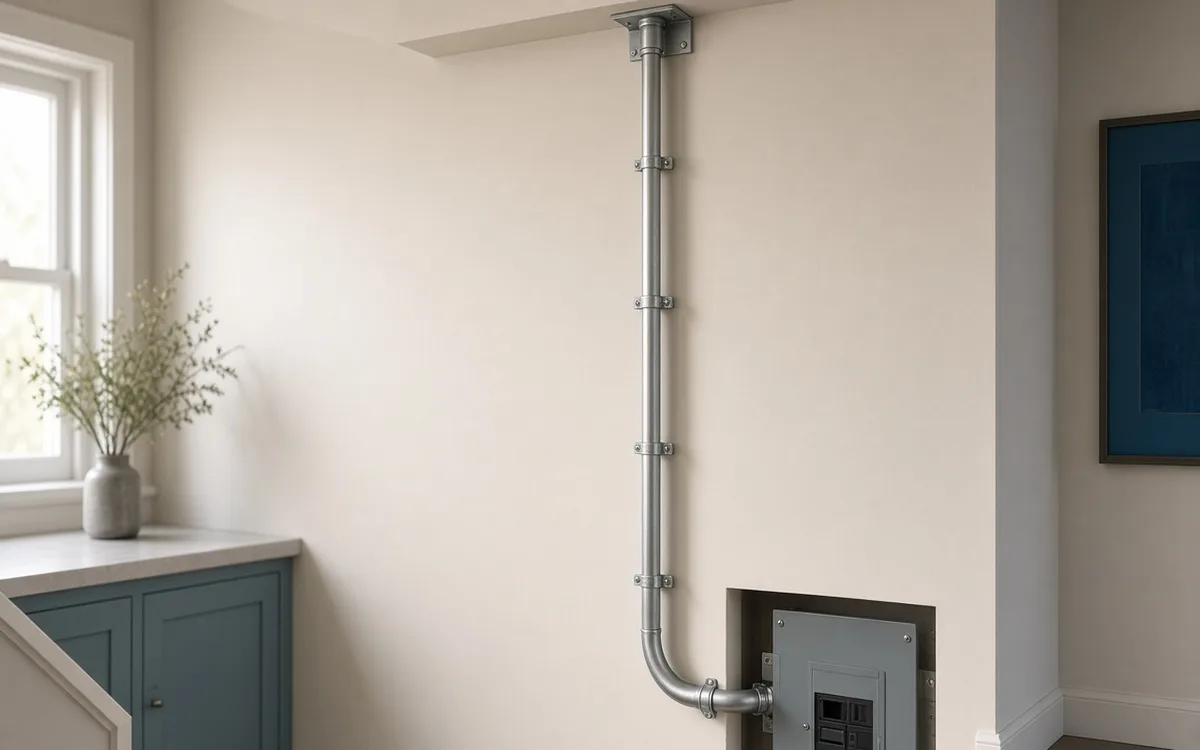
- complete panel modifications, breaker installs, or supply-side tap work;
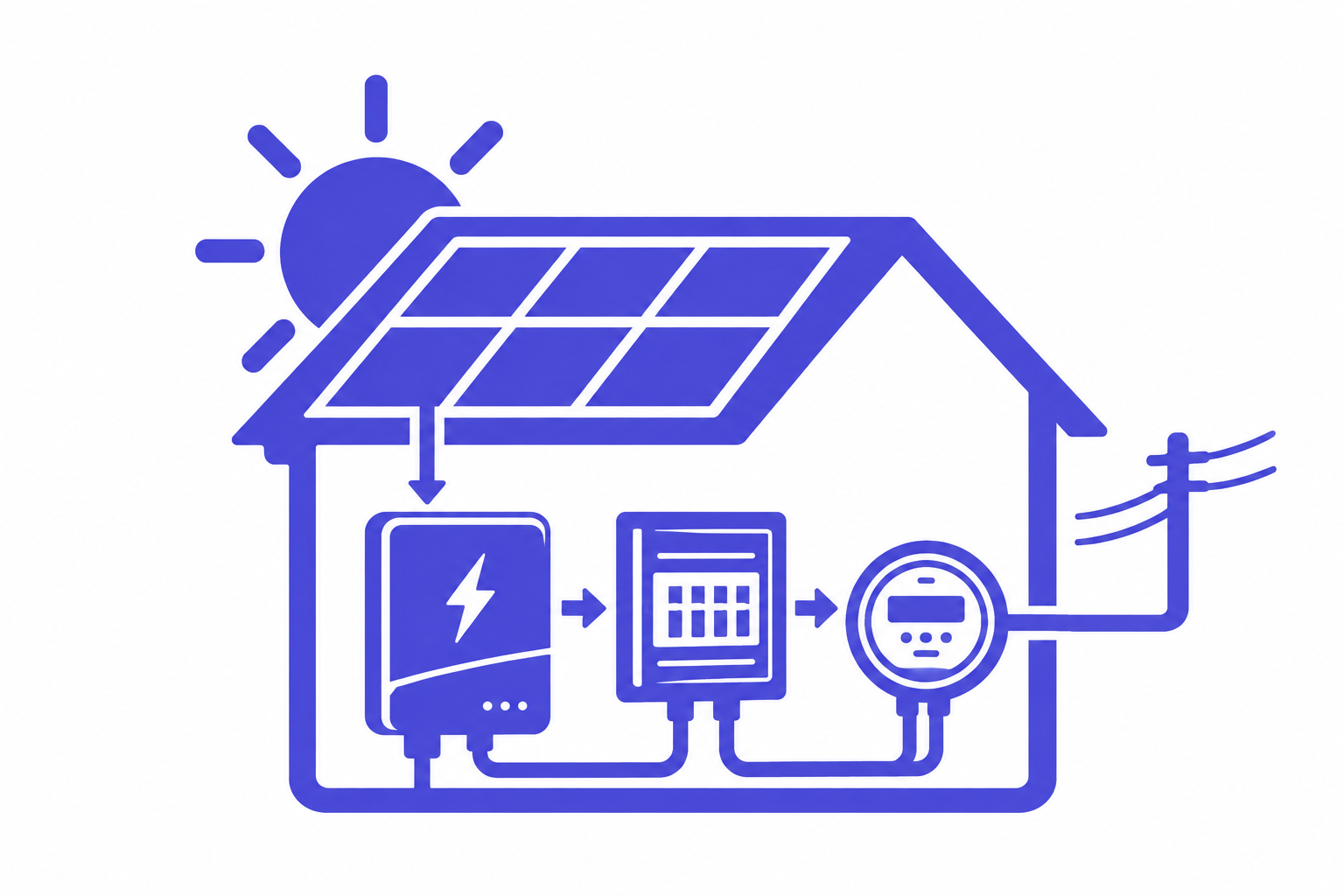
- route and terminate solar conductors at the inverter disconnect and panel;
- torque lugs, install dead fronts, and label new circuits;
- request re-energization from the utility or energize the main per local rules;
- commission inverter startup and confirm export limits if the grid is already live.
Re-energization may wait for a utility employee even when the electrician finished hours earlier. That gap is where food safety and remote-work meetings collide with field logistics—not with the complexity of the wiring itself.
When the Day Runs Long
Discovered aluminum branch circuits without compatible lugs, undersized meter bases, or rusted service entrance caps can halt progress until parts arrive. Electricians may split the job: restore temporary power for overnight occupancy and return another day to finish solar terminations. That two-trip outcome is often safer than forcing an unsafe tie-in, but it doubles the planning burden for the household.
Weather matters too. Rain can pause roof-adjacent conduit work even when the panel is indoors. Extreme heat triggers break policies for attic pulls. A disconnect scheduled for a storm day often slides without much notice because utilities prioritize emergency restoration ahead of scheduled solar work.
A Practical Prep Checklist
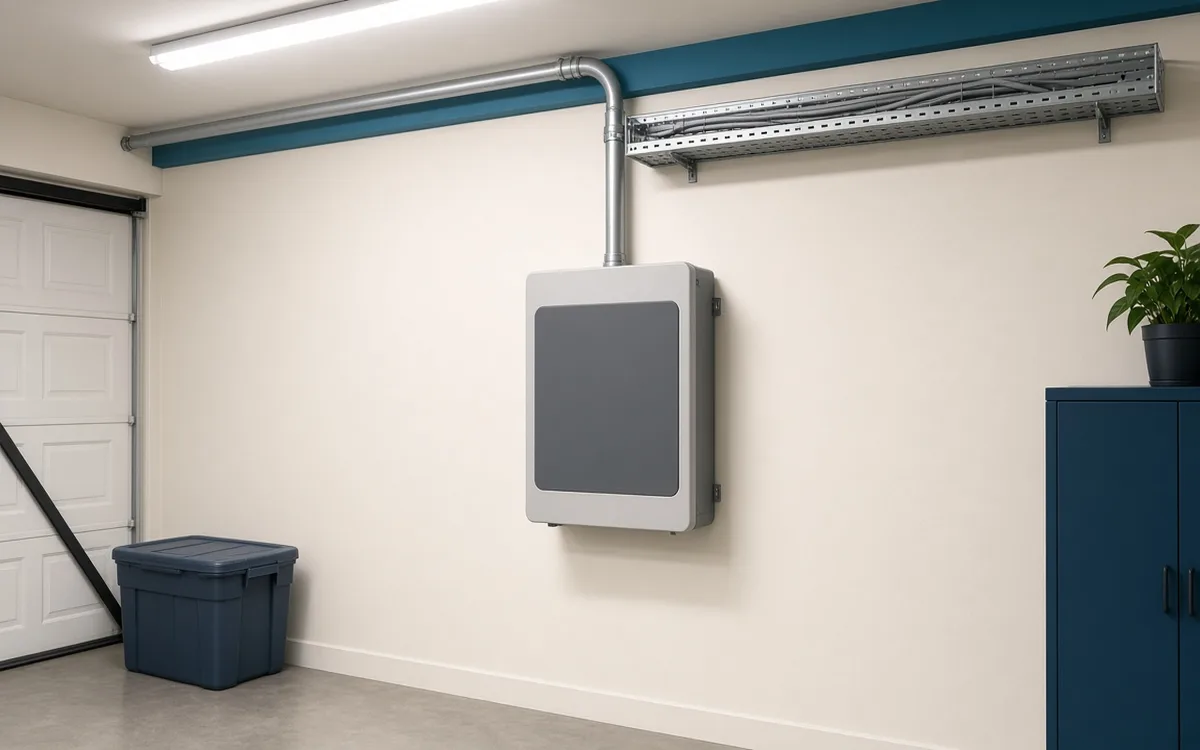
Charge phones and laptops fully. Move vehicles out of the garage if the panel sits behind them. Post a note on the fridge with the installer's cell and the utility outage ticket number. Tell neighbors if your shared transformer feeds their detached shop—occasionally a disconnect affects more than one meter on the same pole pig.
After power returns, walk the house once: reset clocks, confirm the sump cycled, check that the inverter shows grid-tied status rather than a fault code from the abrupt outage. Disconnect day is disruptive, but predictable disruption beats discovering at dusk that half the kitchen still runs on an unlabeled subpanel nobody opened.